WhatsApp and customer service · 7 min read
Filtering Out Inquiries That Will Never Book a Tattoo
November 10, 2026 · Equipo Teser

You answer fifteen messages on a Tuesday afternoon. You explain prices, send references, ask about placement and size, and even do a quick sketch for someone who "wants to see it before deciding." Of those fifteen, two book. The other thirteen have taken half an hour of your work for free, and that half hour is one you can neither bill nor get back. Multiply it by a week and you have a real hole in your schedule that doesn't show up on any income report but that you feel in your exhaustion at the end of the month.
The problem isn't that some people are undecided; that's normal in any business. The problem is that you treat someone who is ready to book the same as someone who is just comparing prices at six studios at once. Here's how to tell one from the other without sounding rude and without losing real clients along the way. And yes, part of this can be automated, because filtering every message by hand doesn't scale, whether you like it or not.
The signs that give away the curious
Some patterns repeat so often that you already recognize them by heart, but it's worth having them written down so you don't hesitate in the heat of the moment:
- They ask the price before saying what they want to get tattooed. "How much does a tattoo cost?" and nothing else, with no placement, size or idea.
- They don't answer the availability question. You ask whether they can this week or next month and they reply with another question about the design.
- They ask for a discount in the first message, before even knowing the price.
- They write from a profile with no photos, no activity, or a generic one like "user123."
- They send the same copied message to several accounts. You can tell because it doesn't mention anything about your specific work, just "I like your style" with no further detail.
- They take days to reply to each of your messages but expect you to answer instantly.
No single sign is conclusive. But when three or four add up, the likelihood that they'll end up booking plummets. It's not intuition; it's the accumulated statistics of any studio that has been open for a year: the pattern repeats studio after studio.
Questions that do the filtering for you
Instead of sending a quote right away, there are three questions that separate the wheat from the chaff almost effortlessly:
When are you thinking of getting it done? Someone with real intent usually gives a date or a window ("before summer," "in a month"). Someone who is just looking answers "I don't know, whenever" or ignores this and keeps asking about the price.
Do you have a reference or an idea of the size? If they can't even approximate a size in centimeters or send a reference image, the project is months away from happening, if it ever does.
Have you booked tattoos before, and do you know how we work with the booking deposit? Far from scaring people off, this question filters elegantly: someone with real intent isn't surprised, while someone who is just browsing usually disappears here.
If they answer all three concretely, you've spent two minutes and you have a hot lead. If they don't answer or stall, you haven't invested a single sketch or a detailed price calculation, just a generic reply and a link to your price list.
The detailed quote only after the filter
Here is the mistake almost every studio makes: calculating a personalized quote before knowing whether there is any intent to book. That means looking at the design, thinking through the session, calculating hours, and sending it all with care to someone who hasn't even said when they want to get it done.
The sequence that works is the opposite. First, a generic price range based on your price list (placement, size, style). Second, if you get a response showing real intent —a date, a reference, willingness to pay a deposit— that's when you move on to the final, personalized quote. The detailed quote is the reward for those who show intent, not the bait to attract it.
This isn't being cold, it's managing your time well. Nobody is offended at first receiving an approximate range. Anyone who is offended by that wasn't going to book anyway.
Automating the first filter without losing warmth
This is where Teser comes into the equation in a concrete way. Within the WhatsApp Business management you already have connected to your studio, you can set up automatic replies that do the first filter for you: as soon as someone writes asking about the price with no further context, they receive a reply with the price range from your list and the three key questions (date, reference, awareness of the deposit). You don't lift a finger until that person responds with concrete details.
The practical result: instead of manually reading and writing every first contact, you filter out from the start those without real intent, and you step in personally only when there's something worth your time. A studio with four artists that receives 40-50 inquiries a week can cut in half the time spent on messages that go nowhere, simply by delegating the first filter to a well-thought-out automatic reply, not a cold, generic bot template.
In addition, since every inquiry is recorded in the client's history within Teser, if that person comes back in three months with real intent, you have all the context without having to repeat the conversation from scratch.
When it is worth investing extra time
Not every curious person is a lost cause. Some people take a while to decide but end up being loyal clients for years: someone saving up for their first large piece, someone who wants to coordinate dates around a vacation, someone comparing styles before settling on yours specifically. The difference from the purely curious is that these people do answer in detail when you ask them, even if they take a while to book.
Here the criterion isn't response speed, it's response quality. If someone takes three days to reply but, when they do, gives an approximate date and a clear reference, it's worth continuing the conversation calmly. If they take three days and answer with a bare "ok," you'll probably never hear from that person again, whether or not you put time into it.
What you really save
Do the math with your own numbers: if you spend an average of 20 minutes on each inquiry that doesn't book, and you have fifteen such inquiries a month, that's five hours a month given away. Five hours you could use on designing, managing social media, or simply resting, without your bottom line noticing because they were never really there.
Filtering isn't losing clients, it's ceasing to lose time on people who were never going to be clients. If you want to try how that automated first filter works on your own WhatsApp Business, Teser has a free trial where you can set it up in your studio in one afternoon and see how many inquiries get resolved on their own before you have to touch your phone.
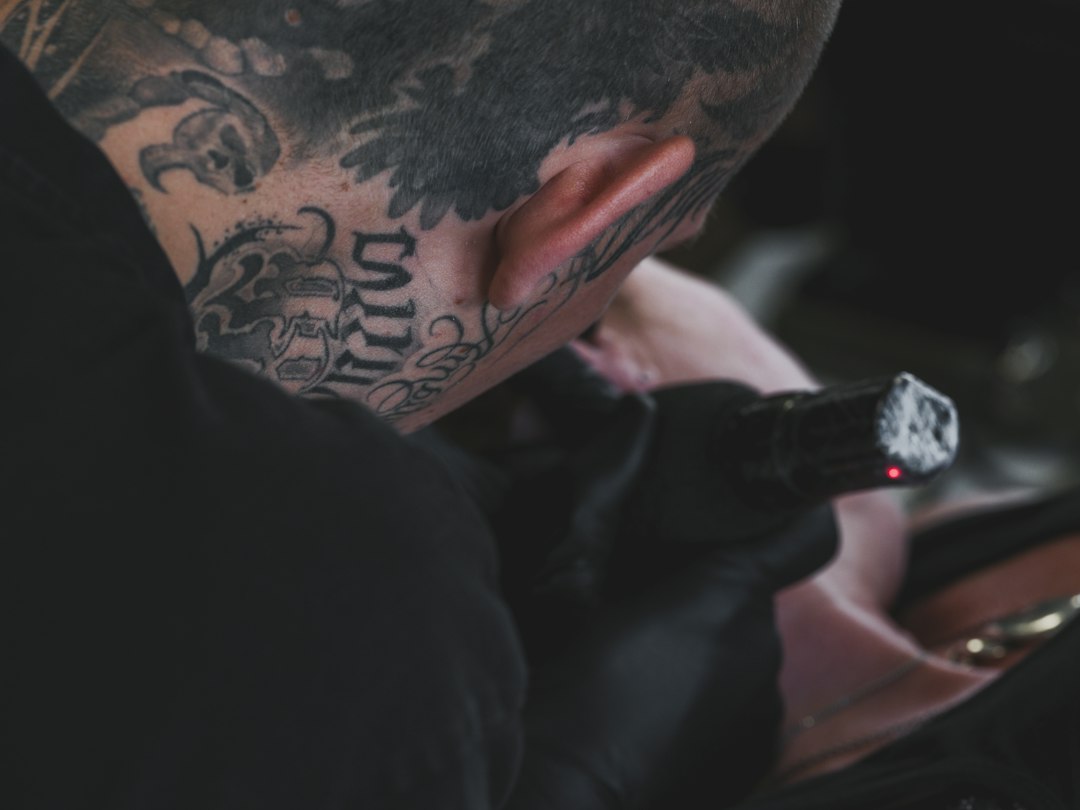
Cover photo by Guillaume Grimaud on Unsplash.