Consent forms and legal · 7 min read
Informed Consent for Tattoos: What It Must Include
October 29, 2026 · Equipo Teser

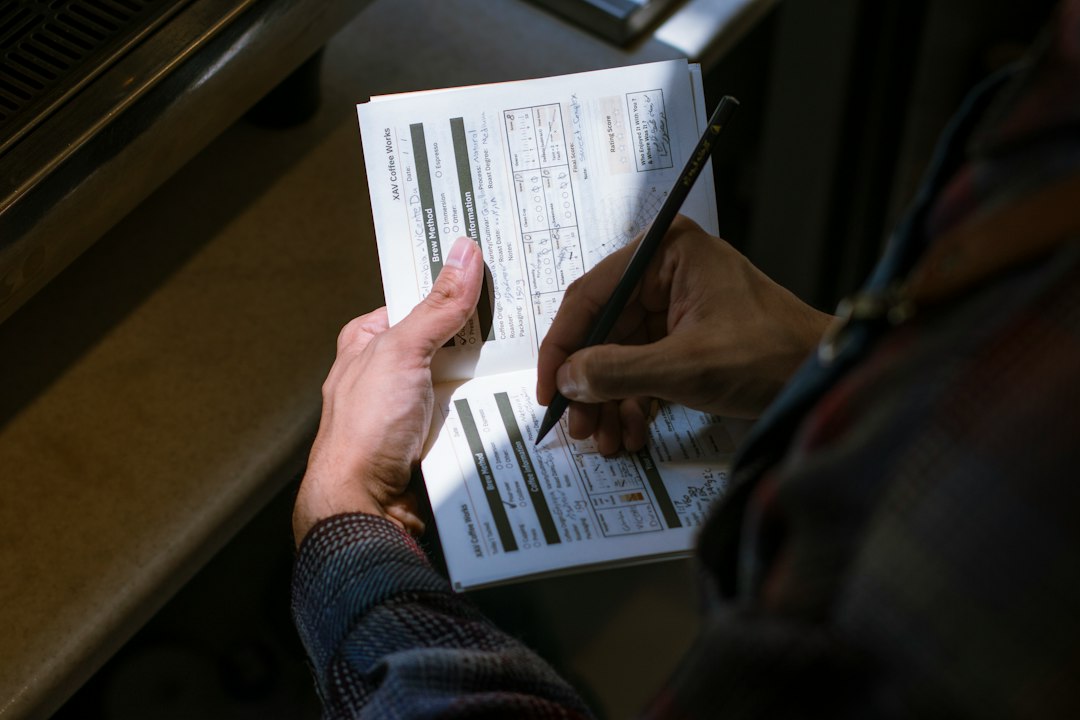
You have a folder full of consent forms signed in pen, some with illegible handwriting, others with no date, and one without the signature of a client who now says that "nobody told him anything". The day a client claims an allergic reaction or a keloid scar and you have to defend yourself, that piece of paper is all you have. And if it is poorly drafted, it doesn't defend you: it sinks you. Informed consent is not a formality to look good; it is the only document that proves you informed the client, that the client understood, and that they accepted the risk. If it isn't properly built, or if you manage it on paper that gets lost or soaked in the alcohol from your work cart, it is worthless before a judge or a health inspection.
What it must include (and what is often missing)
An informed consent form for a tattoo is not a generic sheet downloaded from the internet with the logo swapped out. To have real legal value, it needs, at a minimum:
- Complete identification details: the client's name, ID or NIE number, address and phone number, and the details of the tattoo studio and the professional performing the work.
- Description of the procedure: body area, type of tattoo (linework, color, realism, micropigmentation), and whether it involves several sessions.
- Specific risks: it is not enough to write "complications may occur". You must detail infection, pigment allergy, keloid scarring, rejection, fading, and specific risks of the area (joints, high-friction areas, skin with previous scars).
- Declared contraindications: pregnancy, breastfeeding, diabetes, anticoagulant treatment, known allergies, skin diseases. The client must declare that they have none or detail them.
- Aftercare: even if it is a summary, it must be recorded that it was handed over in writing and explained verbally.
- Image use authorization (if applicable): separate, never mixed in with the health consent.
- Date, time and signature of the client and the professional, on the same document and at the same moment as the service, not days later.
What is most often missing from the consent forms seen in studios is the contraindications box signed by the client. Without it, if there is a reaction to a medication that the client did not declare but that you also did not ask about, responsibility is split in a much worse way for you.
Who has to sign it (and the trouble with minors)
The consent is always signed by the client if they are of legal age. For minors, each autonomous community in Spain has its own regulations: some require 16 years old with parental authorization, others 18 with no exceptions. We already explained this in detail in another article about tattooing minors, but the key point here is that a minor's consent without the signature of the legal guardian physically present at the moment of signing, not via WhatsApp, not via a photo of their ID, is worth nothing. If a studio tattoos a minor with a consent form signed by the father over a video call, it is taking on an enormous risk.
Another common mistake: letting "whoever came with them" sign, without verifying that they are really the legal guardian. Asking for the ID of both and recording the family relationship is not distrust, it is protecting yourself.
Why paper in a folder leaves you exposed
The problem is not only the content of the document. It is where and how you store it. A paper signed two years ago, in a ring binder that has sat on the counter with ink and water stains, that may have been lost when you moved premises, is useless if a client makes a claim five years later over a scar they attribute to malpractice. The time limits for civil liability claims reach up to five years in some cases, and you must be able to present that document intact, legible and with a verifiable date.
Besides, paper doesn't alert you to anything. If a client comes back after six months for a touch-up session and hasn't signed anything again because "they already signed the first time", you have a legal gap: each session, especially if there are changes in the procedure or in the client's health, should have its own record.
This is where loose paper costs you more than any software: it is not only the legal risk, it is the time you lose searching for a specific document among hundreds of files when an insurer, a lawyer or an inspection asks for it.
How Teser solves it without complicating your day-to-day
In Teser, the informed consent is generated as part of the client's record, not as a separate document you have to chase. When you create the appointment, the system can require the digital signature of the consent before the session starts: the client signs on a tablet or from their phone, it is saved with the date, time and associated device data, and it is stored linked to that specific appointment and that specific client, not to a physical folder.
You can set up different templates depending on the type of service (tattoo, touch-up, micropigmentation) with the risk and contraindication fields specific to each one, so you don't reuse a generic text that doesn't cover what you are actually doing. And if you work with minors where the law allows it, the system lets you attach the guardian's authorization as a separate document, with its own validation.
The practical difference: if a client makes a claim two years from now, you don't have to dig through boxes. You look up their record, and there is the digitally signed consent, with a verifiable timestamp and no chance that it has been lost or deteriorated. In a real claim, that is the difference between being able to defend yourself with solid evidence or being left with the client's word against yours.
What you should never do (even if you are in a hurry)
There are practices you see in studios that are a serious mistake:
- Having the client sign the consent at the end of the session, when the tattoo has already been done. If there is no signature before you start, there is no informed consent, there is a decorative piece of paper.
- Using the same document for several different services without adapting the risks. A linework tattoo consent does not cover the risks of an eight-hour realistic color piece.
- Not explaining the content verbally and limiting yourself to "sign here". A good defense lawyer for a client can argue that they signed without understanding, and if you can't prove there was an active explanation, the document loses strength.
- Storing consents on your personal phone, in loose photos or in an unstructured Drive. If one day you change phones or the app gets deleted, you lose the evidence.
Well-done informed consent doesn't prevent something bad from happening, but it does prevent an isolated incident from turning into a lawsuit that drives you out of business. It is cheap to do well and extremely expensive to do badly.
To wrap up
Informed consent is not paperwork, it is your day-to-day legal insurance, and like any insurance, it is only worth something if it is complete and accessible when you need it. If right now you couldn't find, in under a minute, the consent of a client you tattooed eight months ago, you have a problem that isn't solved by being more careful, it is solved by changing the system. You can try Teser for free and see how each consent is linked to its appointment, its client and its digital signature, with no folders or papers that get lost just when you need them most.
Cover photo by Markus Winkler on Unsplash.