Attracting and retaining clients · 7 min read
Tattoo Aftercare That Actually Gets Followed (Not the Little Piece of Paper)
October 23, 2026 · Equipo Teser
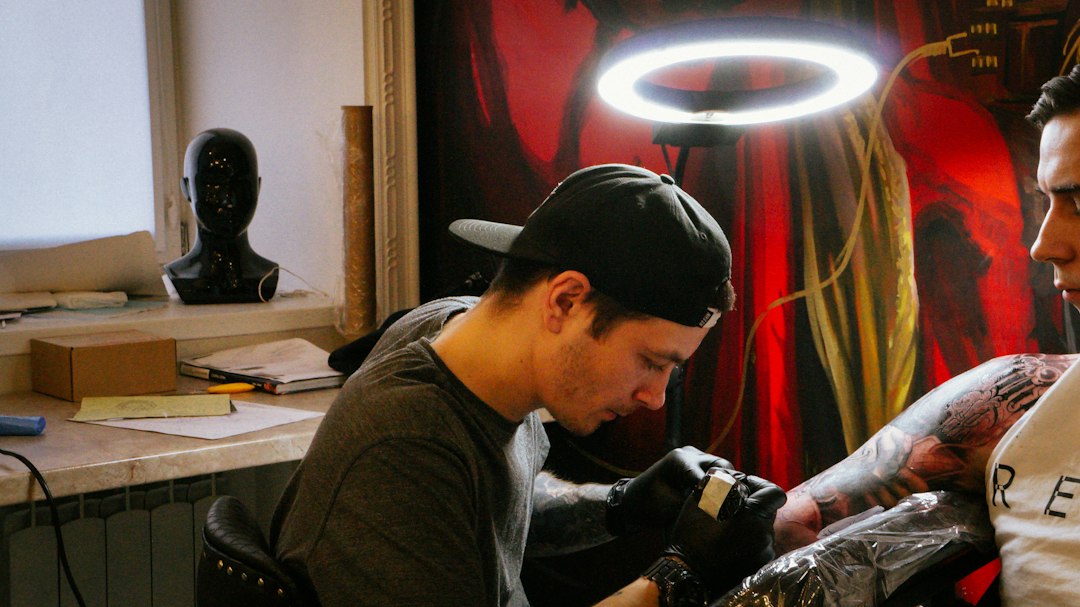
You hand over the laminated sheet, the client folds it and stuffs it in their pocket along with the receipt and the car keys. By the time they get home, they no longer know whether they were supposed to wash it on day three or day five, whether the cream was scented or unscented, or whether they could go to the pool after a week. The result: they message you at ten at night asking something you've already explained twice, or worse, they do whatever their brother-in-law told them and come back with a healing disaster that you'll either have to fix for free or, plainly, prove isn't your fault.
The problem isn't that the client is forgetful. It's that the paper format is designed to get lost. If you want the instructions to be followed, how and where you send them matter as much as the content. Here's how to set it up so it stops being wishful thinking, and how Teser takes the mechanical part off your plate.
Why paper doesn't work (and never has)
A piece of paper can get lost, wet, thrown away by accident, or left in a bag you won't open again until next month. But the underlying reason is different: paper is handed over at the worst possible moment. The client has just spent one or several hours lying down, maybe in pain, with the adrenaline wearing off, thinking about getting something to eat and showing the piece to someone. They're in no condition to memorize six points about washing, moisturizing and sun exposure.
On top of that, paper doesn't adapt. A tattoo on the ribs isn't cared for the same way as one on the top of the foot, and eyebrow micropigmentation has nothing to do with a large blackwork piece. If you hand out the same generic sheet for everything, you're assuming the client will make the effort to filter out what applies to them. They won't.
The financial consequence is real: every "hey, is this normal?" message you could have avoided is time you don't bill for. If you spend fifteen minutes a day answering healing questions that were already on the paper, that's more than sixty hours a year giving away free technical support.
What to explain (and what you can skip)
You don't need a treatise. You need what actually changes the result:
- First wash: when and with what, without vague "neutral soap" generalities (name the brand or the exact type you recommend).
- Moisturizing frequency for the first 3-4 days versus the following 10.
- Real warning signs: what is normal inflammation and what is infection, with a reference photo if you can.
- What to avoid and for exactly how long: sun, pool, high-impact gym sessions, tight clothing over the area.
- When to contact you and through which channel, so they don't message you on Instagram at two in the morning.
Everything else —anecdotes, generic warnings, text copied from another studio— is unnecessary and dilutes what matters. The shorter and more specific it is, the more it's remembered.
When to send it: timing is everything
Here's the real change of approach. Explaining it once at the end of the session isn't enough. What works is staggering it:
- In the moment: verbal and brief, while you cover the piece. It's the least retained, but it lays the groundwork.
- At 2-3 hours, once they've got home and can read calmly: a message with the full summary.
- On day three, right before the first thorough wash: a targeted reminder of that specific step.
- After a week, if the piece requires it (large pieces, friction areas): a short check-in asking how it's going.
This staggering multiplies retention without you having to keep track of every client manually. It's exactly what Teser automates: you set up a sequence of messages tied to the appointment date, with different content depending on the type of work (large tattoo, fine line, micropigmentation), and they're sent automatically via WhatsApp or email without you having to remember anything. You deliver the session, and the system makes sure the aftercare arrives when it should.
The format that actually gets read
A long PDF isn't the solution either; it just swaps the paper for a file that doesn't get opened either. What works is:
- Short messages, not documents. Three or four lines per message, not a wall of text.
- A link to your own web page (not a third party's) with the full instructions, in case they want to check them later. That way they always have somewhere to go back to, instead of searching through WhatsApp conversations.
- A short 30-second video recorded by you explaining the first wash. People retain what they see better than what they read, and it also reinforces that the advice comes from their artist, not a generic template.
- Differentiate by type of work. Caring for a fine line piece isn't the same as caring for a large color piece with a lot of needlework. If you send the same thing to everyone, you show that you haven't put in the effort, and the client notices.
Follow-up is also client retention
There's a side effect of setting this process up well that many tattoo artists don't appreciate: the follow-up message after a week isn't just problem prevention, it's the perfect excuse to naturally reopen the conversation. A well-timed "how's the healing going?" generates replies, photos of the result, and sometimes straight up the question of when they can come back for their next tattoo. It's client retention disguised as after-sales care, and it costs nothing to set up if you already have the sequence automated.
If you also record in the client's profile what type of skin they have, how they healed last time or whether they had any issues, you can quote and manage the next job better. That information, properly stored in Teser along with the appointment history, saves you from asking the same thing every time and lets you anticipate aftercare specific to that particular person, not generic for anyone.
Wrap-up: stop chasing lost papers
Aftercare isn't followed because the client is irresponsible; it's followed when the process is designed to arrive at the right moment, with the right content and through the channel that actually gets looked at. A piece of paper handed over once will never compete with an automatic message sequence that shows up exactly when it's needed.
If you want to stop explaining the same thing on WhatsApp every week and have your aftercare protocol run on its own, you can try Teser for free and set up your own sequence in an afternoon: you configure it once, by type of work, and from then on it fires off on its own with every appointment you book.