Booking deposits and payments · 8 min read
Unpaid Tattoo Balances: How to Prevent Them and Chase Them Without the Drama
August 25, 2026 · Equipo Teser
Non-payment rarely arrives with a slammed door. It arrives as silence. The client who left a 30% deposit, sat through the three-hour session, and when it's time to settle the rest replies with a "I'll send it this week" that turns into two months of unanswered messages. It's not the deposit that protects you from non-payment: it's what you do before, during and after the session that determines whether that money comes in or stays in limbo.
In a studio with several artists the problem multiplies, because each one handles payments in their own way and the studio has no shared protocol. Here is one that works without turning your business into a debt collection agency.
Why non-payment happens (and it's not always bad faith)
There are three types of non-payment, and it's worth telling them apart because the response is not the same:
Genuine oversight. The client meant to pay, it slipped their mind, they don't have the money that exact day, or they're simply not used to paying in cash or by transfer and can't be bothered. A reminder fixes it, and it's usually resolved within 48-72 hours.
Silent dissatisfaction. The client isn't happy with the result (a color that didn't take well, a line that didn't turn out as expected) and instead of saying so, stops replying. Here the problem isn't the money, it's communication. If you spot this, talking before chasing payment saves you a bigger conflict.
Outright bad faith. The client knew from the start that they weren't going to pay the rest, or unilaterally decides that they've "paid enough" with the deposit. It's the least frequent but the one that infuriates the most, because there's no real room for negotiation.
Knowing which of the three you're dealing with before writing the first payment request saves you from the wrong tone and misunderstandings that drag the problem out.
What prevents 80% of non-payments: putting it in writing before tattooing
Most non-payments are born from a misunderstanding about when and how much had to be paid. If the payment agreement only lives in a WhatsApp conversation from three months ago, when the time comes everyone remembers a different version.
What prevents this isn't chasing harder, it's making things clear from the booking:
- How much the deposit is and what it covers (it's lost if they don't show up, and deducted from the total if they do).
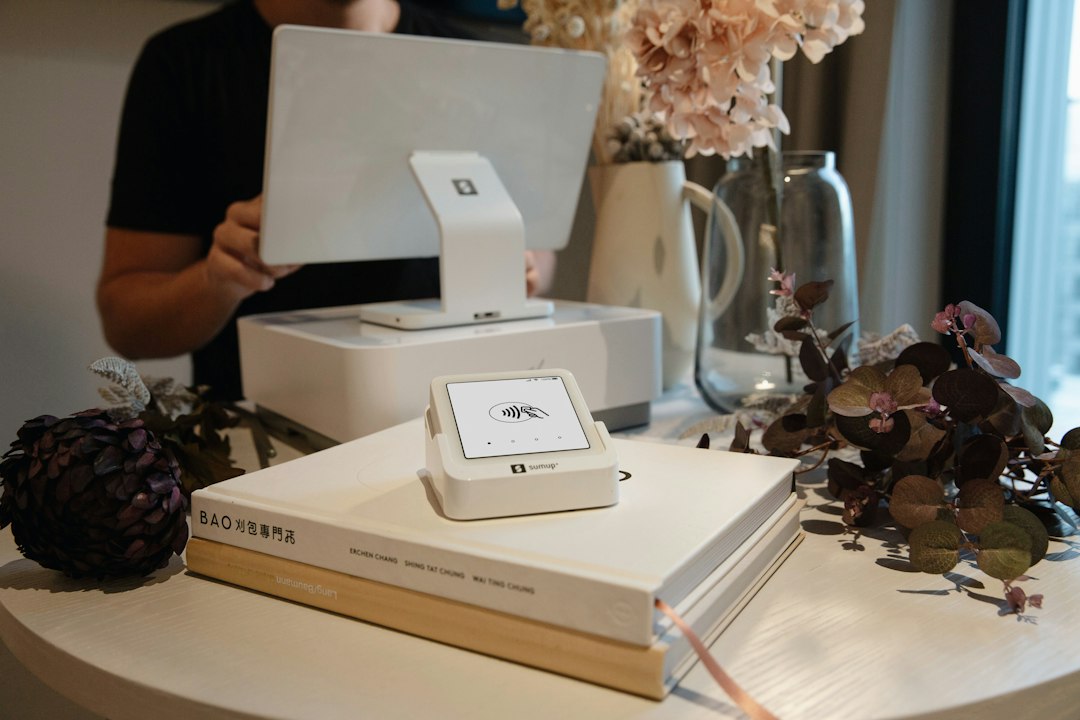
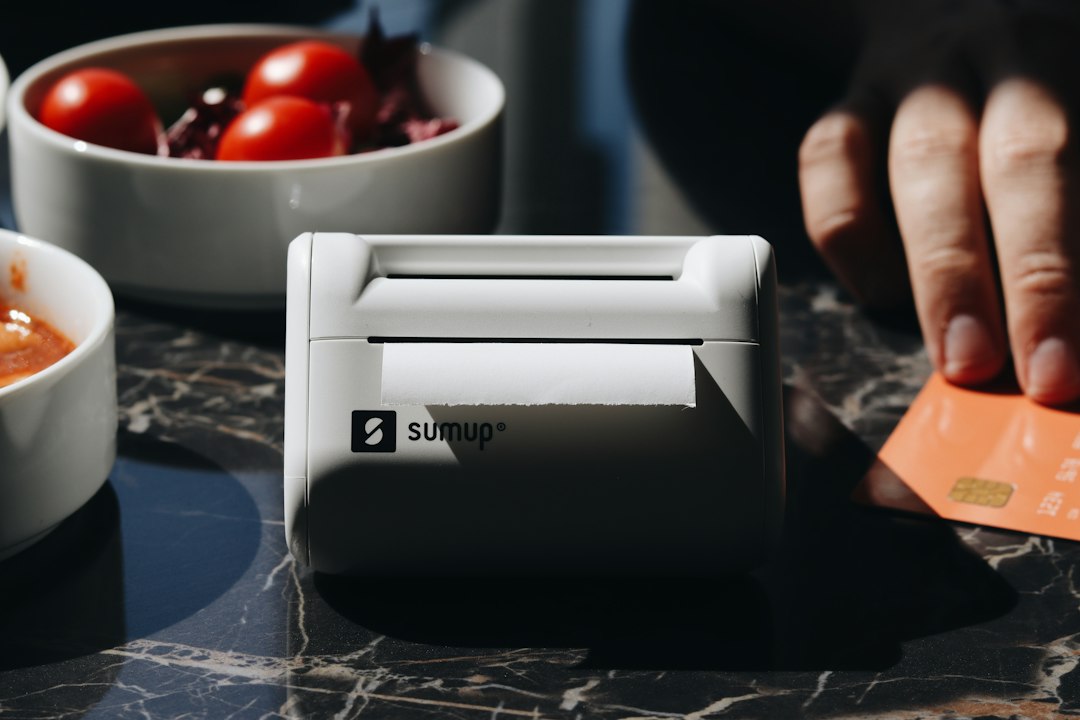
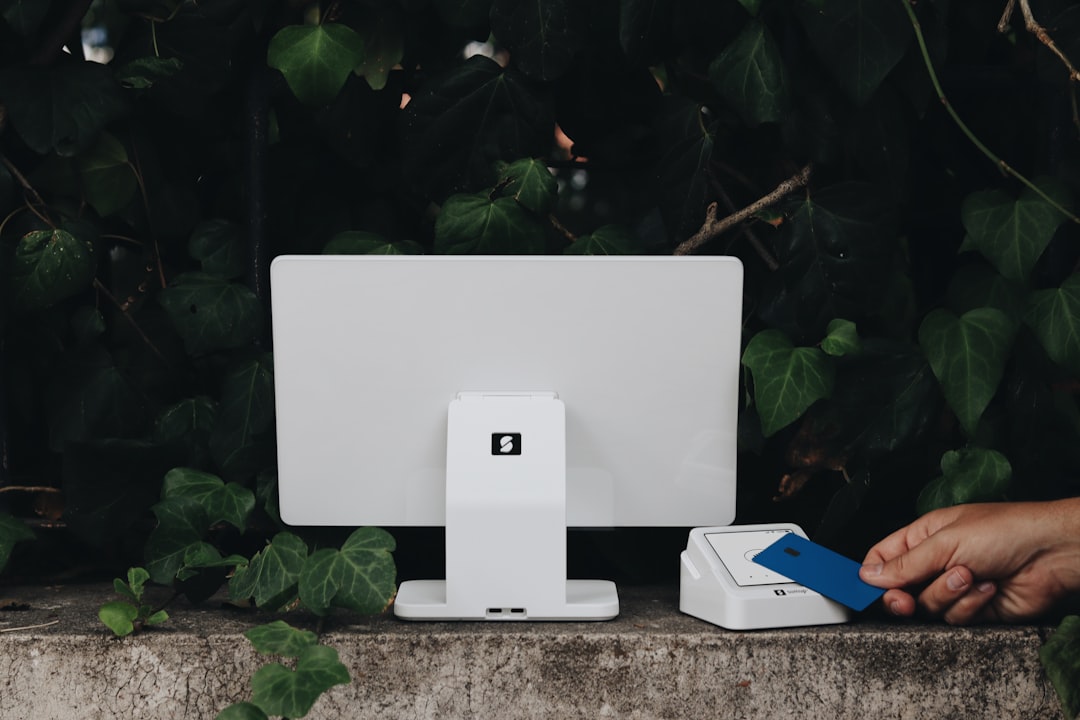
- When the rest is paid: at the end of the session, in cash or by card terminal, with no verbal exceptions.
- What happens if the piece requires more than one session: whether payment is per session or when the whole piece is finished.
You don't need to put this in a ten-page contract. One clear line in the appointment confirmation message is enough: "Remember that the rest is paid at the end of the session, in cash or by card". It seems obvious, but many studios take this for granted and are then surprised when the client understands something different.
The critical moment: getting paid before the client leaves
Here is the costliest and most common mistake: letting the client leave without having closed the payment. Once the person walks out the door with the tattoo already done, your negotiating power plummets. They already have what they wanted; you have a promise.
The rule should be as simple as it is non-negotiable: the session isn't closed without getting paid. If the artist is tattooing until the last minute of the appointment and the client rushes out because they're "late for something", that is exactly the moment non-payments are created. Stopping five minutes earlier to handle payment calmly costs less than chasing 150 euros for weeks.
In studios with several artists, this works best if someone at reception or in studio management takes care of payment, so the artist doesn't have to be both the one who charges and the one who chases if something goes wrong. Separating those roles takes tension out of the artist-client relationship.
How to chase payment without burning the relationship (or your reputation)
When there is already a real non-payment, the tone of the first message matters a lot. An aggressive message can turn an oversight into an offended client who, besides not paying, leaves you a bad review. The sequence that works:
First contact (day 1-3 after the session): neutral tone, like an administrative reminder, not a demand. "Hi [name], just a reminder that the payment of X€ for the session on [date] is still pending. You can pay by transfer to this account or in cash if you drop by the studio." No reproaches, no exclamation marks.
Second contact (day 7-10): if there's no reply, a somewhat more direct message but without threats: "I still haven't received the pending payment of X€. Can you tell me when you'll be able to pay it?" At this point it's wise to set a specific date, not leave it open.
Third contact (day 15-20): if there's still no reply, it's time to be explicit about the consequences: that no new sessions or touch-ups will be done until the payment is settled, and that if there's no reply within X days, the appropriate steps will be taken (this sounds more serious than what in practice almost never needs to be carried out, but it shows you mean it).
What never works: writing in the heat of the moment, with reproaches, or threatening to tell people on social media. That turns non-payment into a public conflict that harms your reputation more than the 150 euros you're claiming.
When it's worth letting it go (and when it isn't)
Not all non-payments deserve the same energy. If it's 40 euros left over from a small piece and you've sent three messages with no reply, the time you invest chasing that amount is probably worth more than the unpaid amount itself. A simple calculation applies here: if your working hour is worth 40-60 euros, and you've already spent an hour handling the non-payment, the break-even point is very close.
It's different with large amounts (sessions of 300 or 500 euros on large pieces), where it does pay off to be more insistent and even, if the amount justifies it, to pursue a formal claim by burofax or the small claims route in court (for amounts up to 2,000 euros the procedure is relatively quick and doesn't require a lawyer).
In studios with several artists, it's useful to set a shared threshold: below X euros, a maximum of three contact attempts are made and the case is closed; above it, the formal claim protocol is triggered. That way it doesn't depend on how much patience each artist has that day.
Future-proofing: what to change after a non-payment
Every non-payment is information. If it keeps happening with the same type of client (large pieces over several sessions, clients who book via social media without ever having set foot in the studio, clients who have already cancelled an appointment) it's time to adjust the protocol for that profile: raise the deposit percentage, require payment per session instead of at the end of the whole piece, or simply be more selective about who gets onto the schedule.
This isn't about distrusting everyone. It's about learning from the pattern. If 90% of your clients pay without any problem and the remaining 10% cause you 80% of the headaches, adjusting the conditions for that risk profile protects your time without penalizing those who always keep their word.
Non-payment isn't avoided by insisting more, it's avoided by organizing better
Non-payment is almost never a problem of bad luck with a particular client: it's a symptom that the moment of payment wasn't clear enough before sitting down on the tattoo bed. The more that agreement is automated and put in writing (deposit, balance, when and how), the less energy you'll have to spend chasing it afterwards.
If you manage your schedule, deposits and payments split between WhatsApp, a notebook and each artist's memory, it's normal for some payment to slip through the cracks. Tools like Teser, which centralize bookings, deposits and payment tracking in one place, help ensure that agreement is recorded from the very first minute and doesn't depend on anyone remembering anything.